
Prevent Clothes from Fading and Keep Them Looking New

Maintaining the color and vibrancy of your clothes is essential to keep your wardrobe fresh and in great condition. Here are some effective practices and products that can help prevent your clothes from fading over time, ensuring they remain looking as good as new. Wash clothes inside out to protect fabric color: Washing clothes inside out is a simple yet effective way to preserve the fabric’s color. The outer surface of your clothes, especially dark-colored or printed ones, is more susceptible to fading from the friction during washing. Invest in Gentle Detergents for Color Protection: A good detergent plays a major role in maintaining the integrity and color of your clothes. Choose a detergent specifically formulated for colored fabrics. Avoid Overloading the Washing Machine: Overloading the washing machine can result in increased friction, leading to unnecessary wear and fading of your clothes. Dry Clothes in the Shade to Prevent Sun Damage: Excessive sunlight can cause colors to fade quickly, especially in fabrics like cotton and linen. Protect your clothes by drying them in a shaded area.
The Evolution of the T-Shirt: From Basic to Fashion Statement

The t-shirt—once a simple, utilitarian garment—has undergone a remarkable transformation over the years, evolving from an undergarment to one of the most iconic pieces in modern fashion. Today, the t-shirt is not just about comfort and practicality; it’s a platform for self-expression, creativity, and style. Let’s take a journey through the history of the t-shirt and see how it has evolved into the versatile, fashion-forward statement piece it is today. The Birth of the T-Shirt: Discuss the origins of the t-shirt, tracing its roots back to its military and workwear beginnings. T-shirts were initially worn as undergarments before becoming part of mainstream fashion. Cultural Significance in the 1960s and 1970s: In the 1960s and ‘70s, t-shirts became a form of personal expression. Tie-dye shirts, political slogans, and pop culture references started appearing on t-shirts, allowing wearers to showcase their individualism. The Graphic Tee Explosion: The 1980s and ‘90s saw an explosion of graphic t-shirts, with logos, band designs, and sports teams taking center stage. These tees became a form of identity, allowing people to align with subcultures or specific fandoms. Streetwear and High Fashion Collide: In the 2000s, t-shirts became synonymous with streetwear culture, with brands like Supreme and Off-White using t-shirts to carry their high-fashion logo designs. Celebrities and influencers started wearing them as a way to make fashion statements. The T-Shirt of Today: Fast forward to 2025, and the t-shirt has evolved into an essential wardrobe piece that transcends casual wear. Designers now use t-shirts as a blank canvas for creative expressions, from bold graphics to luxury fabric choices, making them an all-season, all-occasion item.
Essential Clothing Care Products to Keep Your Wardrobe Fresh and Clean
Introduce a variety of clothing care products that help maintain clothes, such as fabric fresheners, stain removers, garment bags, and wrinkle-release sprays. Recommend products that can preserve the quality of clothes over time. Invest in Fabric Fresheners and Deodorizers: Fabric fresheners and deodorizers are great for refreshing clothes between washes, especially if you want to eliminate odors or make a garment smell clean again. Consider using a gentle, non-toxic option to keep your clothes smelling fresh without the harsh chemicals. Use Stain Removers for Spot Treatment: A good stain remover is essential for preventing stains from setting in. For tougher stains, use a pre-treatment product before washing to ensure a deeper clean. Be sure to test any new stain remover on a small, inconspicuous area to avoid damage. Get a Steamer to Remove Wrinkles Without Ironing: A garment steamer is a great way to keep clothes wrinkle-free without the hassle of ironing. It’s gentler on fabrics, especially delicate ones, and helps eliminate odors and bacteria as well. Protect Your Clothes from Pilling with a Fabric Shaver: Pilling can occur over time, especially with fabrics like wool and cotton. A fabric shaver is a useful tool to remove pills and keep your clothes looking neat and fresh, making your garments last longer. Use Anti-Wrinkle Spray to Keep Clothes Crisp: Anti-wrinkle sprays can help keep your clothes looking sharp without ironing. These sprays are perfect for quick touch-ups, especially when you’re short on time and need to look polished quickly.
How to Care for Your T-Shirts to Make Them Last Longer

T-shirts are one of the most versatile and essential items in our wardrobes, but they can wear out quickly if not properly cared for. Whether it’s your favorite graphic tee, classic cotton t-shirt, or a trendy new purchase, extending the life of your t-shirts requires a bit of extra attention. Here’s how you can keep them looking fresh, soft, and vibrant for years to come. Proper Washing Techniques: Always wash t-shirts inside out to prevent the graphic from fading. Wash in cold water to preserve fabric integrity and reduce the risk of shrinking. Avoid using bleach unless necessary. Air Dry Instead of Using a Dryer: Air drying your t-shirts is the best way to prevent shrinkage and fabric damage. Lay them flat or hang them up to dry, avoiding direct sunlight to keep the colors vibrant. Use Gentle Detergent: Opt for a gentle, eco-friendly detergent to extend the lifespan of your t-shirts. Harsh chemicals can break down fibers over time, causing colors to fade or fabrics to weaken. Ironing or Steaming: To avoid damaging the fabric, use a low-heat setting when ironing. If your t-shirt has a graphic, place a cloth between the iron and the design to avoid smudging or burning the print. Store T-Shirts Properly: Avoid overcrowding your closet when storing t-shirts. Whether hanging or folded, ensure they are stored in a dry, cool place to prevent any distortion of shape or fabric.
How to Properly Wash and Dry Clothes: Protecting Your Fabrics from Wear and Tear

Provide readers with step-by-step instructions on how to wash and dry clothes properly. Include information on washing machines, detergent choices, temperature settings, and how to prevent shrinkage, fading, or fabric damage. Turn Clothes Inside Out Before Washing: Turning clothes inside out before washing helps protect the outer fabric from wear, fading, and pilling. This is especially important for garments with prints, graphics, or dark colors that tend to fade easily. Use Mesh Laundry Bags for Delicates: For delicate fabrics like lace, silk, or bras, use mesh laundry bags to protect them from snags, stretching, or getting caught in zippers. This ensures that your delicate items stay intact through the washing process. Avoid Overloading the Washing Machine: Overloading the washing machine prevents clothes from getting properly cleaned and can cause friction that damages fabric fibers. Leave enough room for the clothes to move freely and wash more effectively. Dry Clothes on a Low or Air Dry Setting: High heat can damage or shrink clothes, so always choose a low or air dry setting for your dryer. For items like sweaters and delicate fabrics, it’s best to air dry them by laying them flat or hanging them to avoid damage from heat. Use Fabric Softener Sparingly: Fabric softeners can build up on clothing over time, especially for towels and athletic wear, making them less absorbent. Use fabric softener sparingly and avoid it entirely on moisture-wicking fabrics.
Top 5 Graphic T-Shirt Trends
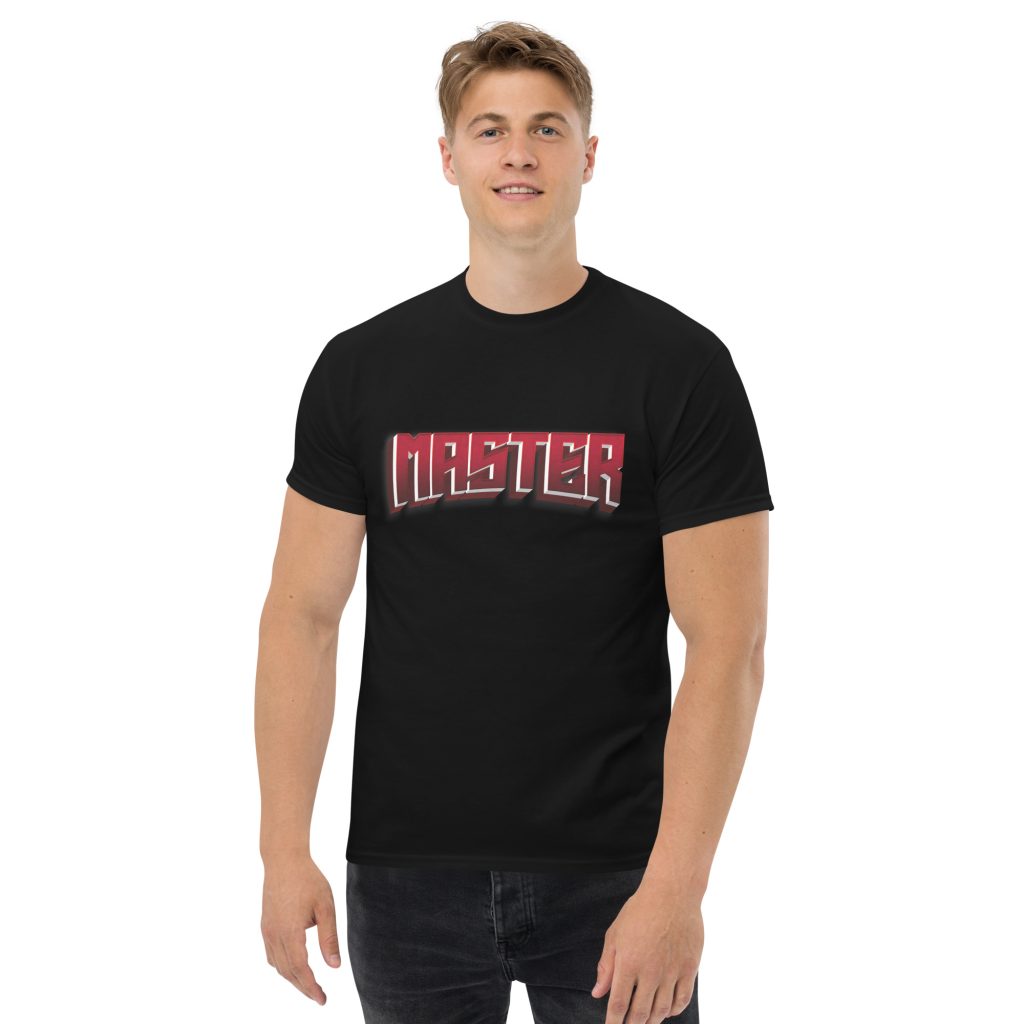
Graphic t-shirts have always been a way to showcase personal style, express creativity, and make a statement. In 2025, the trends are leaning toward nostalgic references, minimalist designs, bold typography, and sustainability. Whether you’re a fan of abstract art, vintage aesthetics, or eco-conscious fashion, there’s something for everyone. Let’s dive into the top 5 graphic t-shirt trends this year: Retro Graphics: Nostalgic designs from the ’80s and ’90s are making a big return. Think vintage band logos, retro cartoons, and classic movie references. These designs give a throwback vibe that’s perfect for a casual day out. Minimalist Artwork: Simple, clean graphics with a single color or subtle design are growing in popularity. Whether it’s a minimalist logo, a geometric pattern, or just a single word or phrase, less is more when it comes to graphic tees in 2025. Bold Typography: Bold statements, quotes, or inspirational messages in large typography are on trend. Big, block letters or hand-lettered designs make a strong statement and allow for self-expression. Sustainability-Inspired Graphics: Eco-friendly and sustainability-themed designs are becoming more popular, with t-shirts showcasing nature scenes, environmental messages, or upcycled materials. Wearing these t-shirts sends a positive message about personal values. Abstract and Artistic Prints: Artistic and abstract graphics with bold brush strokes, splashes of color, and unique prints are becoming the go-to for creative fashion lovers. These t-shirts are perfect for expressing individuality.
The Ultimate Wardrobe Organization Guide
Keeping Your Clothes Neat and Accessible. Share tips on organizing a closet or wardrobe to keep clothes wrinkle-free, easy to find, and well-maintained. Highlight closet organizers, storage solutions, and how to avoid overcrowding. Use Color-Coding and Category Sorting: Organize your closet by categories (e.g., workwear, casual clothes, outerwear) and consider color-coding your garments to make it easier to find what you’re looking for. This also helps keep everything looking neat and visually pleasing. Add Hooks and Pegs for Accessories: Hooks and pegs are great for hanging up accessories like scarves, hats, and bags. This keeps them from getting tangled or damaged while keeping them easy to grab when you’re in a rush. Invest in Slim Hangers for More Space: Slim, non-slip hangers can help maximize closet space while maintaining the structure of your clothes. These are especially useful for items like shirts, blouses, and dresses that need to stay wrinkle-free. Store Shoes and Bags in Clear Boxes for Visibility: If you have a large collection of shoes or bags, clear storage boxes are an excellent way to keep them visible, dust-free, and neatly organized. You’ll be able to see everything at a glance without having to search through piles of stuff. Install Closet Organizers or Shelving for Better Use of Space: For smaller items like shoes, belts, or handbags, installing organizers or extra shelves in your closet can help you make the most of the space. Adjustable shelving units allow you to customize your storage to accommodate a variety of items.
The Best Fabrics for T-Shirts: Which One is Right for You?
When it comes to choosing the perfect t-shirt, the fabric plays a huge role in determining the comfort, durability, and overall appearance. From classic cotton to sustainable alternatives like bamboo, here’s an overview of the best fabrics for t-shirts and how to choose the right one based on your preferences and needs. Cotton: The Classic Choice Cotton t-shirts are breathable, soft, and easy to care for, making them a staple in most wardrobes. They’re great for everyday wear and perfect for layering. They come in various finishes, from basic to combed or organic cotton for a more eco-friendly option. Linen: The Ultimate Summer Fabric Linen t-shirts are lightweight, breathable, and ideal for hot weather. Although they tend to wrinkle more than cotton, linen offers a relaxed and effortless look, making them perfect for beach trips or casual outings. Polyester: Durability and Easy Care Polyester blends (cotton-poly or poly-spandex) create t-shirts that hold their shape and are less prone to shrinking. These t-shirts are also moisture-wicking, making them great for workouts or athleisure. Bamboo Fabric: Sustainable and Soft Bamboo fabric t-shirts are soft, breathable, and naturally antimicrobial. They’re also eco-friendly, making them a great choice for sustainability-focused shoppers. Tri-Blend: Comfort and Stretch A tri-blend fabric (typically a mix of cotton, polyester, and rayon) offers a soft, smooth feel with a slight stretch. It’s perfect for those who want a t-shirt that is comfy and retains its shape after multiple washes.
How to Care for Different Fabrics: A Guide to Keeping Your Clothes Looking New

Write a detailed guide on caring for various fabric types, such as cotton, wool, silk, and synthetics. Discuss washing, drying, ironing, and special care techniques to maintain the quality and appearance of each fabric. For Cotton: Prevent Shrinkage by Air Drying Cotton fabrics can shrink when exposed to high heat in dryers. To prevent shrinkage, air dry cotton clothes or use the lowest heat setting in the dryer. Always follow the care label to ensure you maintain the fit and texture of your garments. For Wool: Dry Clean or Hand Wash with Wool-Specific Detergents Wool is sensitive to heat and agitation. For garments like wool sweaters and scarves, opt for dry cleaning or hand wash them with a gentle wool-specific detergent to avoid shrinkage and matting. Lay flat to dry to maintain the shape. For Silk: Use a Delicate Cycle and Cold Water Silk is a delicate fabric that requires special care. Hand wash or machine wash on the delicate cycle using cold water and a mild detergent designed for silks. Avoid wringing or twisting to maintain the integrity of the fibers. For Synthetics (Polyester, Nylon, etc.): Wash on Low Heat Synthetic fabrics are generally durable, but they can become damaged with high heat. Always wash synthetics in cool or warm water and avoid exposing them to excessive heat in the dryer. Line drying or air drying is ideal. For Leather: Condition Regularly and Keep Away from Water Leather clothes require specific care to keep them supple and avoid cracking. Use a leather conditioner to maintain the leather’s moisture and flexibility. Store leather garments in a cool, dry place, and avoid exposing them to water, which can cause staining or damage.
How to Style a T-Shirt for Any Occasion in 2025
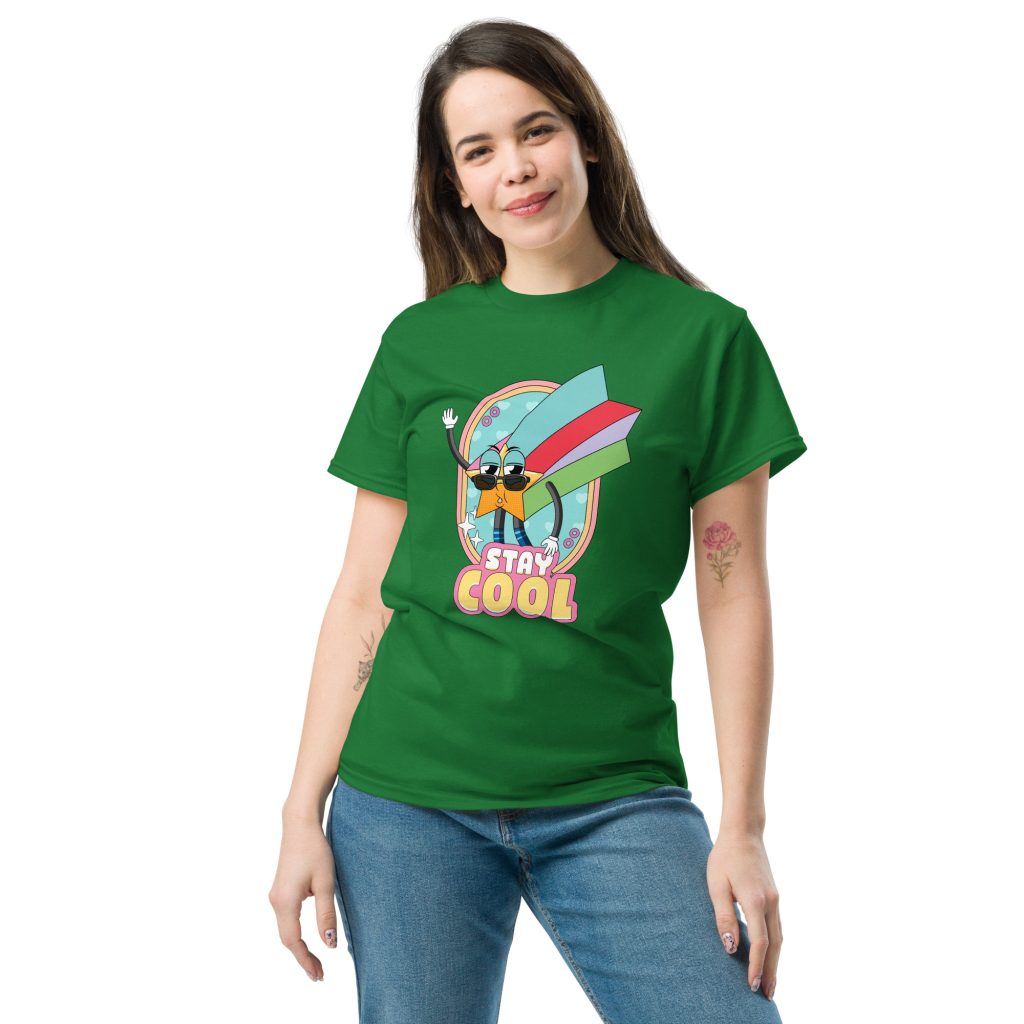
T-shirts are a wardrobe staple and, in 2025, they’re more versatile than ever! Whether you’re dressing up or keeping it casual, t-shirts can be styled to fit any occasion. Here’s how to style your favorite tee to keep your look fresh and on-trend. Casual Day Out: Pair a basic t-shirt with your favorite jeans or denim shorts. Add sneakers or slip-on shoes for an effortlessly chic look. A baseball cap or sunglasses can elevate the vibe. Smart Casual Look: T-shirts are no longer just for casual settings. For a more polished look, tuck a fitted t-shirt into a pair of tailored trousers or a pencil skirt. Layer with a blazer for a smart-casual outfit that’s office-appropriate. Street Style Vibe: For a cool streetwear-inspired look, choose a graphic t-shirt and layer it under an oversized jacket or hoodie. Combine with cargo pants or distressed jeans and chunky sneakers for the perfect urban look. Layering for Fall or Winter: During cooler months, layer your t-shirt under a sweater or flannel shirt. You can also pair it with a warm jacket or coat for added style and comfort.