
Asymmetrical Tops to Accentuate Your Outfit
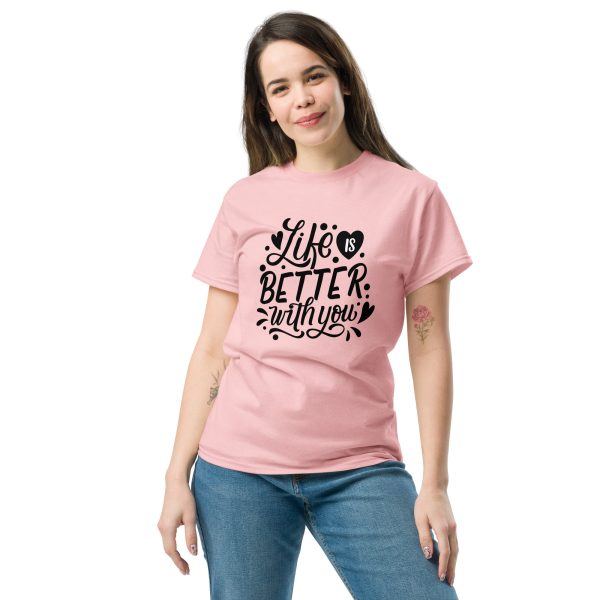
Vainqueur discusses the rise of asymmetrical tops as part of the “subversive basics” trend, characterized by unconventional cuts, cutouts, and unfinished edges. The article connects this trend to deconstructed fashion and highlights how designers are reimagining everyday items into statement pieces. Elevate Your Style with a Twist of Modern Edge: When it comes to standing out with effortless sophistication, few fashion choices are as impactful as an asymmetrical top. Whether it’s a bold one-shoulder design, a diagonal hem, or unexpected cut-outs, asymmetrical tops are making waves in wardrobes around the world—and for good reason. How to Style Asymmetrical Tops : Keep Bottoms Neutral: Pair with solid trousers, jeans, or skirts to balance the design. Add Structure: A tailored blazer or cropped jacket complements asymmetrical lines beautifully. Minimal Accessories: Let the silhouette shine—opt for sleek hoops or a single statement piece.Sustainability Meets Style : Many designers are combining asymmetrical fashion with eco-conscious materials. Look for tops made from organic cotton, recycled fabrics, or deadstock textiles for a fashion-forward and environmentally friendly look.
The Allure of Asymmetrical T-Shirts for Women

This article explores how asymmetrical T-shirts have become a significant fashion trend, reflecting a shift towards embracing imbalance and uniqueness in design. It discusses the versatility of these T-shirts, their influence from runway shows, and their popularity among celebrities and streetwear enthusiasts. Why Asymmetry Works : Asymmetry in fashion challenges the idea of perfect balance. A slanted hemline, one-shoulder cut, or offset sleeve instantly adds visual interest, creating a look that feels modern, effortless, and daring. For women who love to express themselves through what they wear, these T-shirts offer the perfect mix of comfort and high-style. Breaking the Mold of Traditional Fashion : In a world where fashion constantly evolves, asymmetry has emerged as a bold statement of individuality. Asymmetrical T-shirts for women are no longer a runway-only concept—they’re redefining everyday style with a twist that’s anything but conventional. Design Details That Make a Statement : Here’s what makes asymmetrical tees so captivating Slanted Hems : Diagonal cuts draw the eye and elongate the figure. One-Shoulder Designs : A sultry yet sophisticated way to show some skin. High-Low Silhouettes : Great for layering and adding dimension to your outfit. Cut-Out Accents : Strategically placed for an edgy, bold effect. These designs create movement and fluidity, making every piece feel like wearable art.
Top T-Shirt Trends of 2025: What’s Hot Right Now

Nostalgia reigns supreme with throwback designs from the ’80s, ’90s, and early 2000s. Expect washed-out band logos, retro video game art, and classic cartoon prints making a strong comeback. Vintage & Retro Graphics : Nostalgia reigns supreme with throwback designs from the ’80s, ’90s, and early 2000s. Expect washed-out band logos, retro video game art, and classic cartoon prints making a strong comeback. Sustainable & Eco-Friendly Tees : Eco-conscious fashion is booming. T-shirts made from organic cotton, bamboo, and recycled materials are in demand, often featuring earthy tones and minimalist designs that reflect a commitment to sustainability. Oversized & Boxy Fits: Comfort meets style with oversized silhouettes. Boxy T-shirts are paired with everything from flared trousers to denim shorts, offering a relaxed yet chic look. Customizable & Personalized Designs: Personal expression is key in 2025. Customizable T-shirts—featuring names, unique graphics, or special dates—allow wearers to showcase their individuality. Nature-Inspired Prints: Floral patterns, botanical illustrations, and wildlife graphics are trending, reflecting a growing appreciation for nature and sustainability in fashion. Tech-Infused Smart T-Shirts: Innovation meets apparel with smart T-shirts featuring moisture-wicking fabrics, temperature control, and even fitness tracking capabilities, catering to the tech-savvy consumer.
Wash Less Often The Key to Long-Lasting T-Shirts

If there’s one underrated tip that can drastically extend the life of your t-shirts, it’s this: don’t over-wash them. Many of us toss our t-shirts into the laundry basket after just one wear, even when they’re not dirty. But unless you’re dealing with sweat, stains, or odors, frequent washing does more harm than good. Maintains Color Vibrancy : Repeated washing fades colors, especially with dark or printed tees. By cutting back on unnecessary washes, you keep your shirts looking fresh and vibrant. Reduces Shrinkage : Cotton t-shirts are especially prone to shrinking when exposed to heat and water frequently. Fewer washes = less shrinkage. Eco-Friendly Bonus : Washing less not only helps your clothes—it’s also better for the environment. You conserve water, reduce energy usage, and release fewer microfibers into the water system. Preserves Fabric Quality : Every wash is a mini workout for your shirt. The spin cycle, water exposure, and detergent gradually break down fibers. Washing less keeps your tee soft, strong, and in shape. Keeps Colors Brighter : Dark and printed t-shirts fade fastest in the wash. Fewer cycles mean your blacks stay black, your graphics stay bold, and your shirt looks newer longer. Reduces Shrinking and Distortion : Heat and water are major culprits behind shrinkage. The fewer trips your shirt makes to the washer and dryer, the better it maintains its original size and fit. Protects Prints and Logos : Graphic tees and printed designs can crack, peel, or fade over time. Turning them inside out helps—but reducing the number of washes is even more effective. More Eco-Friendly : Fewer washes mean less water and energy used, fewer microfibers released into the environment, and a smaller carbon footprint overall. Your t-shirt—and the planet—both win.
Seasonal Storage & Smart Wardrobe Tips to Keep Clothes Fresh
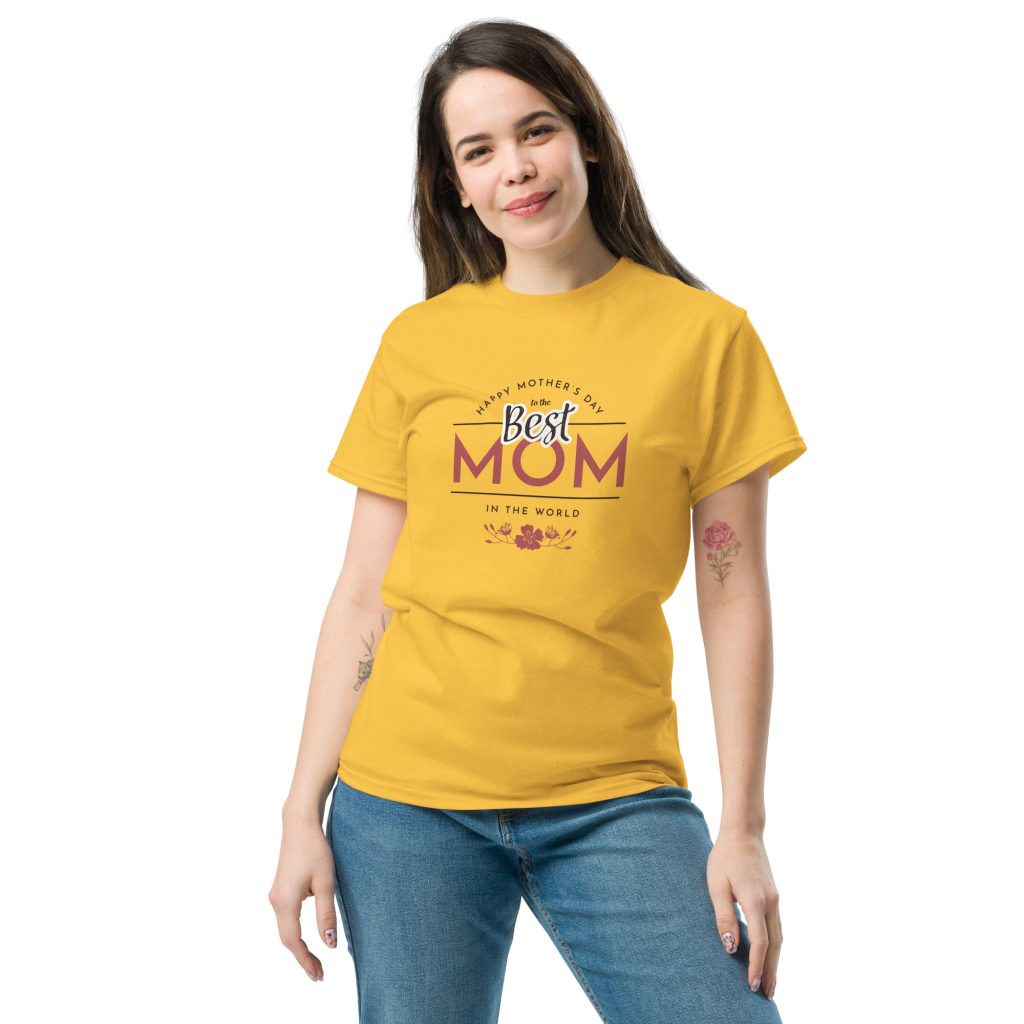
Whether you’re packing away winter coats or switching into summer gear, how you store your clothes plays a huge role in how long they last. Poor storage leads to wrinkling, fading, and even mold or pests.Clean Before You Store : Never store dirty clothes. Stains will set, and odors will worsen. Wash or dry clean everything before packing it away. Choose Breathable Storage : Plastic traps moisture, which can lead to mildew or musty smells. Opt for cotton garment bags, canvas bins, or cardboard boxes to allow airflow. Use Natural Protectors : Moths love dark, undisturbed clothing — especially wool. Use cedar blocks, lavender sachets, or mint bags to repel them naturally. Fold Instead of Hang : Heavy knits, sweaters, and delicate items can stretch if hung too long. Fold them carefully, with tissue paper in between for added protection. Don’t Store Clothes in the Basement or Attic : Those areas often have moisture or temperature swings. Instead, pick a cool, dry, and dark space like the top of your closet or under-bed storage.
T-Shirt Trends You Need in Your Closet
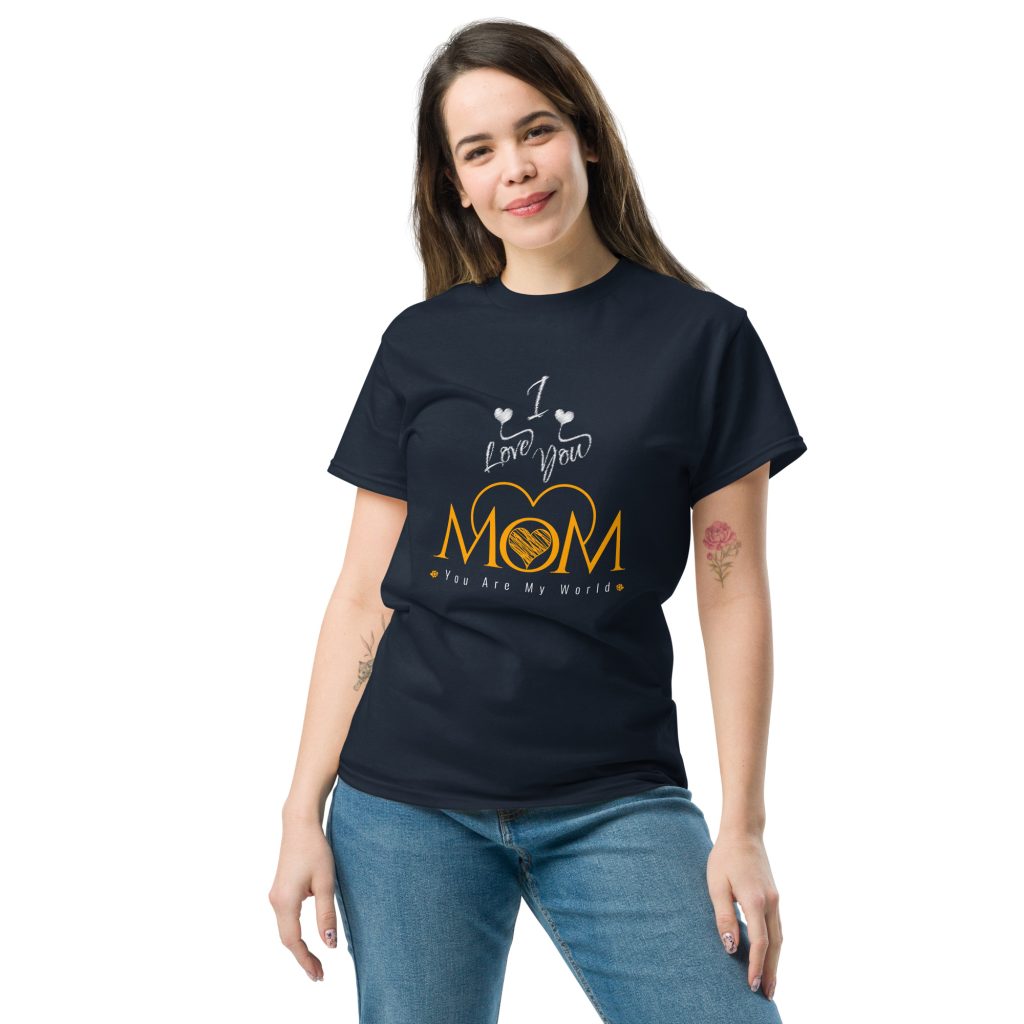
The T-shirt revolution is in full swing — and it’s not slowing down. From eco-conscious production to wearable art, 2025’s T-shirt fashion is redefining comfort and creativity. If you’re looking to refresh your wardrobe or elevate your everyday looks, these emerging trends deserve your attention. Textured Tees : Feel the Fabric Move over, plain cotton — textured T-shirts are taking center stage. Think ribbed knits, waffle-weave, terry cloth, or slub fabric. These tactile details add dimension to simple silhouettes, making them stand out without needing bold colors or prints.Style tip: Tuck a ribbed tee into wide-leg pants or layer a waffle-knit tee under a utility vest for subtle sophistication. Artsy Abstract Prints : Forget logos — hand-painted effects, abstract illustrations, and watercolor graphics are now the stars. Inspired by modern art, these tees offer a creative twist to any outfit.Look for : Brushstroke-style prints Asymmetrical designs Split-color tees for added drama Pop Colors Neon Hits : While neutrals are always safe, 2025 brings a burst of vibrant energy. Neon greens, electric blues, and bold orange hues are splashing across tees in both solid tones and as accents in graphic prints. How to wear it : Tone it down with beige cargos or denim, or go bold with full-color blocking for a confident streetwear statement.
Everyday Clothing Care Simple Habits to Make Your Clothes Last Longer
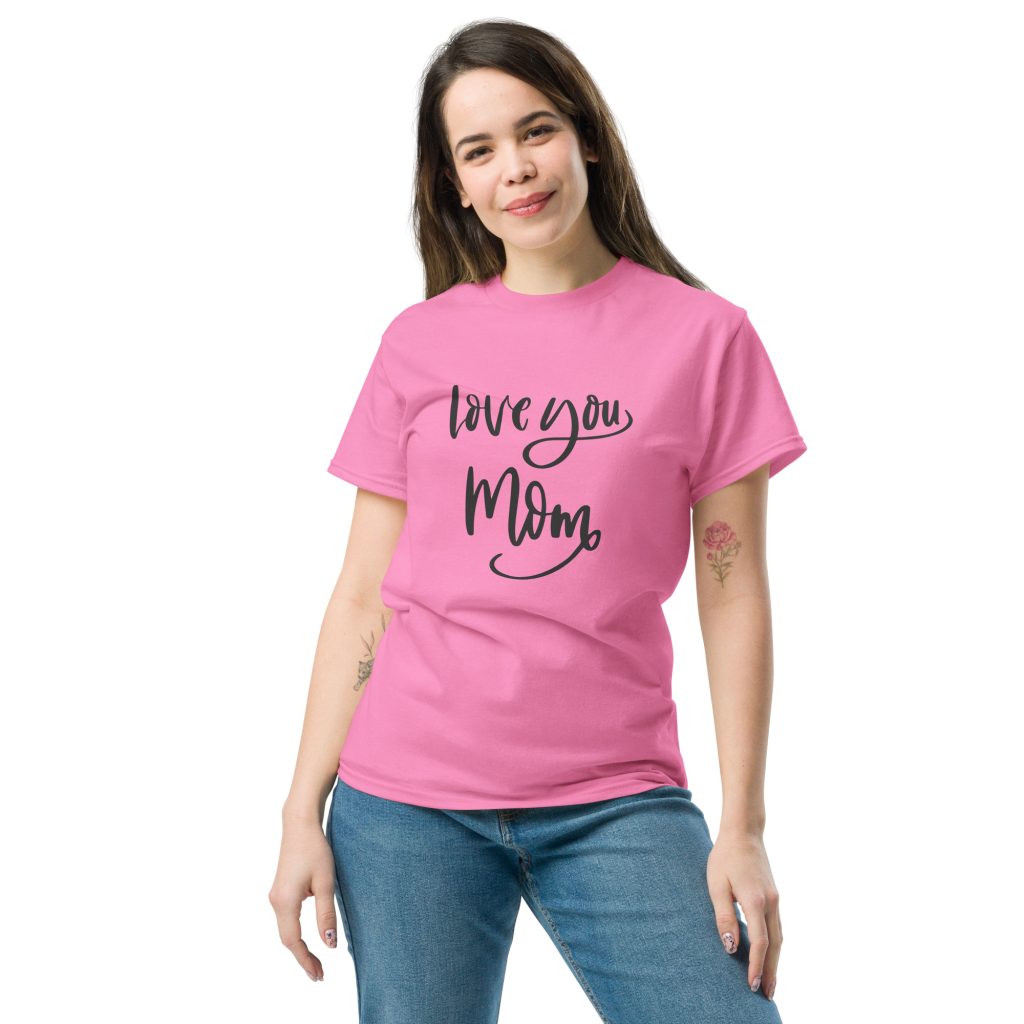
Your favorite outfits deserve to stay in great shape — and the good news is, you don’t need a huge effort to make that happen. With just a few small tweaks to your routine, you can dramatically extend the life of your clothes. Wash Less Often : Unless your clothes are visibly dirty or smelly, you don’t need to wash them after every wear. Over-washing causes fading, shrinking, and fiber damage.Pro tip: Air out clothes between wears, and spot clean when possible. Use Cold Water : Hot water can weaken fabrics and fade colors. Most clothes clean just as well in cold water, which is gentler and more eco-friendly. Choose Gentle Cycles : Rough washing cycles can stretch and stress clothing. Use delicate or gentle settings — especially for knits, denim, or embellished items. Air Dry Whenever Possible : Heat from the dryer is one of the biggest reasons clothes wear out. Hang drying preserves fabric shape, prevents shrinkage, and is more sustainable. Store It Right : Hang structured items like shirts and dresses, and fold sweaters to avoid shoulder bumps. Use cedar or lavender sachets to keep moths away naturally.
Smart Fabric Technology The Future of Fashion Is Here

Clothing has always served a purpose — to cover, protect, and express. But now, thanks to smart fabric technology, it’s doing a lot more. From regulating temperature to tracking health, fabrics are evolving beyond fashion into the realm of function. What Are Smart Fabrics : Smart fabrics (also called e-textiles or intelligent textiles) are materials embedded with sensors, conductive fibers, or microelectronics that allow them to interact with the environment or the wearer. Power in the Fabric : One of the most exciting frontiers is energy-harvesting textiles — fabrics that can convert motion, body heat, or sunlight into usable energy. This could power small electronics like LEDs, fitness trackers, or smartwatches just from what you’re wearing. Sustainability and Smart Fabrics : Many smart textiles are being developed with eco-friendly goals in mind. example:Self-cleaning fabrics reduce water and detergent use. Sensors that detect wear can alert you before your clothes deteriorate, reducing waste Smart tags help with clothing recycling and tracking throughout the supply chain
Why Less Is More in Your Laundry Routine
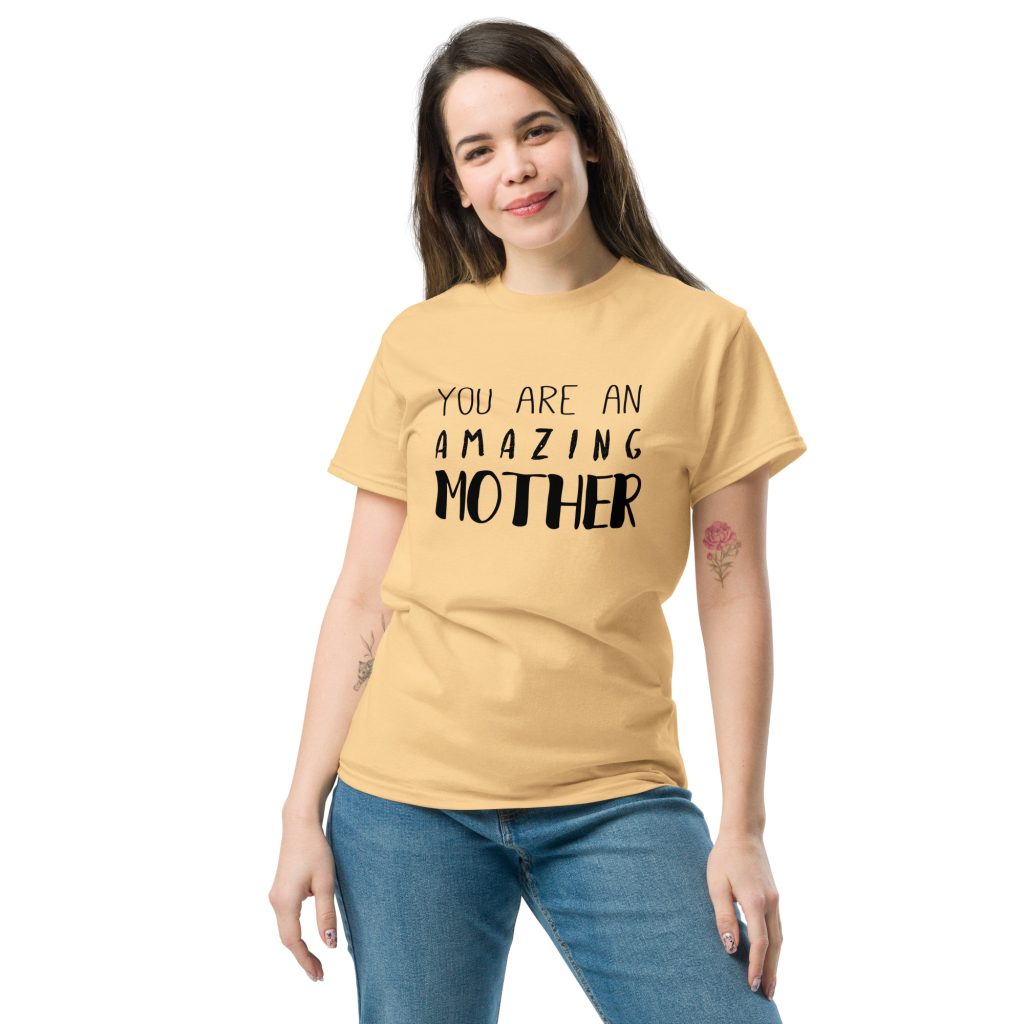
Using too much detergent can damage your garments, harm your washing machine, and leave residue that’s irritating to skin. In this blog, we’ll break down why going easy on detergent is better for your clothes, your wallet, and the planet.Clothes Might Smell Worse, Not Better : Excess detergent can trap bacteria and moisture in your clothes and washer drum, leading to sour smells. Instead of leaving your clothes fresh, it creates the perfect breeding ground for odor. Run an empty hot cycle with white vinegar once a month to clean out buildup in your machine. Less Detergent = Longer-Lasting Clothes : Just like overwashing, overusing detergent contributes to fiber breakdown, pilling, and fading. Clothes cleaned with the right amount of detergent stay softer, brighter, and hold their shape longer. It’s Better for Sensitive Skin : Leftover detergent trapped in clothing can cause skin irritation — especially for those with sensitive skin, allergies, or eczema. Using less helps prevent itchiness, rashes, or discomfort caused by chemical residue. Switch to Hypoallergenic or plant-based formulas — and use half the recommended dose to start. Eco-Friendly Bonus: Save Water & Energy : More soap means more rinsing. When your washer has to work harder to remove excess detergent, it uses more water and electricity. Using less means fewer rinse cycles, less energy, and less environmental impact.
Save Your Fabrics from Frequent Washing: The Key to Long-Lasting Style
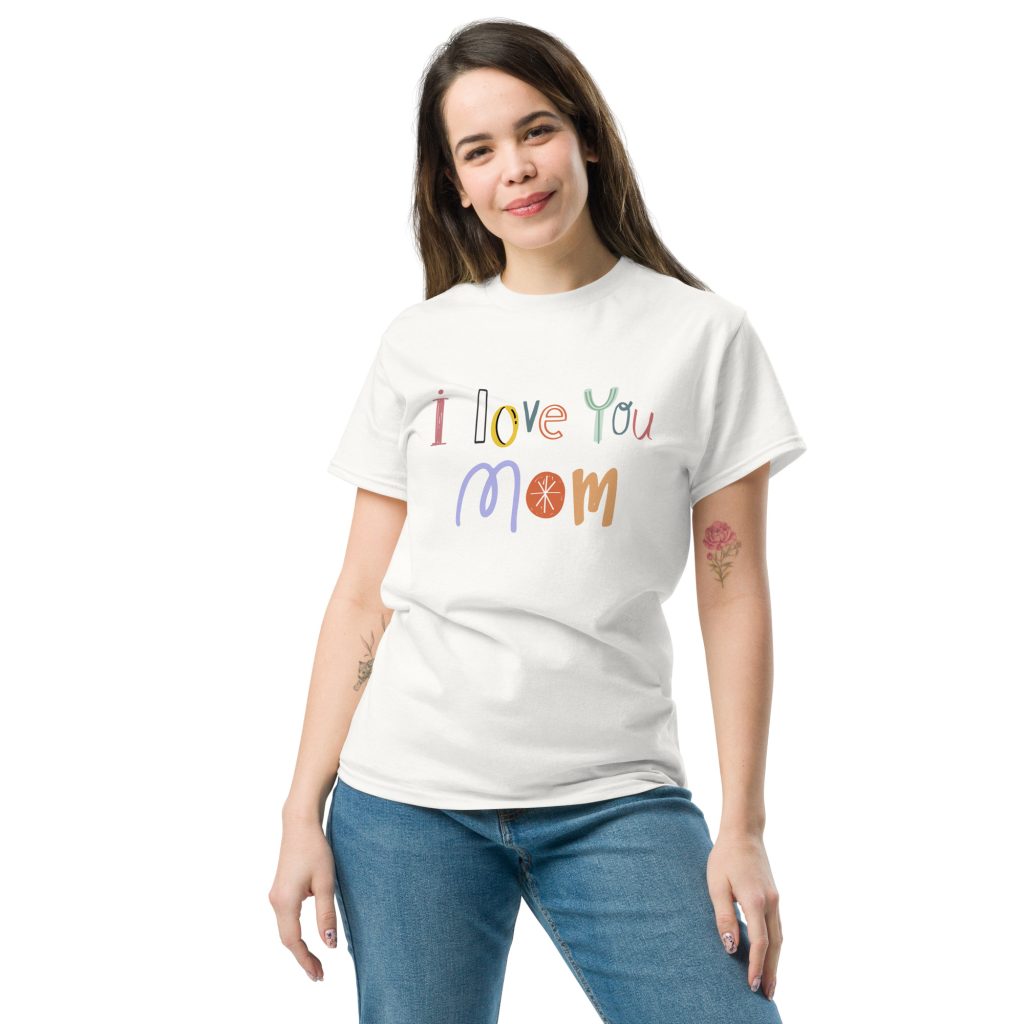
We all love that fresh, just-washed feel. But here’s the truth: washing your clothes too often can actually ruin them faster. From fading colors to worn-out seams, frequent washing takes a serious toll on your wardrobe — and your wallet.Frequent Washing Wears Out Fabric : Every wash cycle causes friction. That friction slowly breaks down fabric fibers, especially in cotton, linen, and knitwear. Over time, this leads to thinning, pilling, stretched-out collars, and seams that don’t bounce back. Preserve Color and Print : You know those bold graphic tees and rich-colored fabrics you love? Frequent washing can fade dyes and prints, making your clothes look dull before their time. Cold water helps, but the real solution is to wash less. Go Gentle on the Planet : Every laundry cycle uses water, energy, and detergent, and sheds microplastics into waterways. By washing only when necessary, you reduce your environmental footprint while keeping your clothes intact. Go Gentle on the Planet : Every laundry cycle uses water, energy, and detergent, and sheds microplastics into waterways. By washing only when necessary, you reduce your environmental footprint while keeping your clothes intact.